
Trying to satisfy modern viewers is a
complex riddle. Everyone imagines they know the answer, but even a TV series considered a sure
bet can crash and burn.
The quality of the product is only one
aspect; scheduling, marketing, and social media presence (in terms of public
reaction/interaction) play a part.
But the basic pitch is the first step. And whether
or not a pilot is picked up is influenced by broad ideas of what the audience
wants.
Turns out today’s audiences are a fickle
bunch.
Nostalgia
vs. Dissatisfaction With Reboots
For a long time television makers clung to
the idea reboots were a sure-fire key to a ratings winner. If people have fond
memories of the original, they’ll love the reboot, right?
Wrong.
Whether the show is faithful to the
original or reworked to match current storytelling styles, the initial interest
soon turns to dissatisfaction, disinterest, and downright hostility. Sure, a
few succeed, but it’s rare.
 |
| Dynasty |
You see a similar effect with shows that
are sourced from books and graphic novels or comics, but the success rate is
higher. Still, it’s far from a guaranteed route to small screen success.
In each case, the network feels the
financial risk is lessened because of the established fan base. But the premise
is flawed.
 |
| Shadowhunters |
Personally, I loath the presumption a bad
show based on a book series or comic will be an easier sell than a great original show.
I’d much prefer something fresh and fantastic, than a mediocre adaptation soon
dropped. The fear of losing money has made the industry forget so many cult
shows became hits out of nowhere. In summary, this business model is overrated.
The best take on the nostalgia angle has proven
to be creating a show that reminds viewers of a past series, but is technically
a fresh entity. People experience familiarity but the show isn’t competing with
an earlier version of itself in their memories.
 |
| Stranger Things |
Sex and Violence Sells vs.
Tired of Sex and Violence
Sex and violence in entertainment has been
increasing over the years to the point where it’s not just common, but expected
in adult TV fare.
What’s interesting is “gritty” television has
become code for content with graphic sex and violence. A show gains cred with
the audience by offering excessively violent scenes. They take it more seriously: darker
themes have become synonymous with an interpretation of quality.
 |
| Westworld |
I believe it has to do with a Western interpretation
of feminine and masculine, in the traditional sense. Sex and violence are
connected to ideas of strength and power, past definitions of masculinity. Thus shows that offer more “masculine” fare—to clarify, it can be
female characters partaking in sex and violence; the trait itself is what is subconsciously gender identified by the culture—are taken more seriously.
 |
| Game of Thrones |
Television shows that focus on traits historically
viewed as more traditionally feminine, are more readily derided: quirky, kind,
romantic are now often presented in simplified formats, as if the themes are
only allowed to exist in substandard material.
This is obviously a fallacy. Television can
be intelligent with or without graphic violence and sex. But the audience has
become accustomed to this idea and Western networks now use it as a framework
for new material.
 |
| Santa Clarita Diet |
As a result, some viewers are tiring of
fare that is graphic yet doesn’t have a decent storytelling foundation. Upping
the anti, in terms of risky content, isn’t the drawcard it once was. Audiences
are suffering a form of ennui when it comes to violence and sex.
The formula needs to be redefined: more
complex storylines, and a cleverer use of onscreen violence that isn’t just gratuitous,
and inclusion of a broader emotional spectrum that may have been omitted from “gritty”
fare in the past.
 |
| Walking Dead |
Intelligent Storylines vs. Too Complicated
With so much television production these
days, and full season drops becoming common, people are demanding diverse
scripted dramas. Jaded audiences are less tolerant of lazy and generic
television writing.
Thing is, how intelligent a script are we
talking? This is also the point where emotional intelligence comes into play. A
lot of great television isn’t so much about standardized intelligence, as it is
about brilliant characterization.
 |
| 12 Monkeys |
I’ve written about E.I. before. Nuanced
characters and complex emotional subtext make for memorable television but like
a classic novel, sometimes the person taking in the story just doesn’t get it.
 |
| Sherlock |
A quick browse through recap blogs shows even avid fans may miss underlying themes and character motivations in innovative episodes.
Intrigued is one thing; puzzled is another.
Twists are great, but if the viewer can’t
understand the motivation behind them, and foresee the potential consequences, they
end up disgruntled rather than engrossed.
Finding the fine line between challenging
and entertaining television, without alienating less intelligent viewers, is
key. And it’s not an easy task.
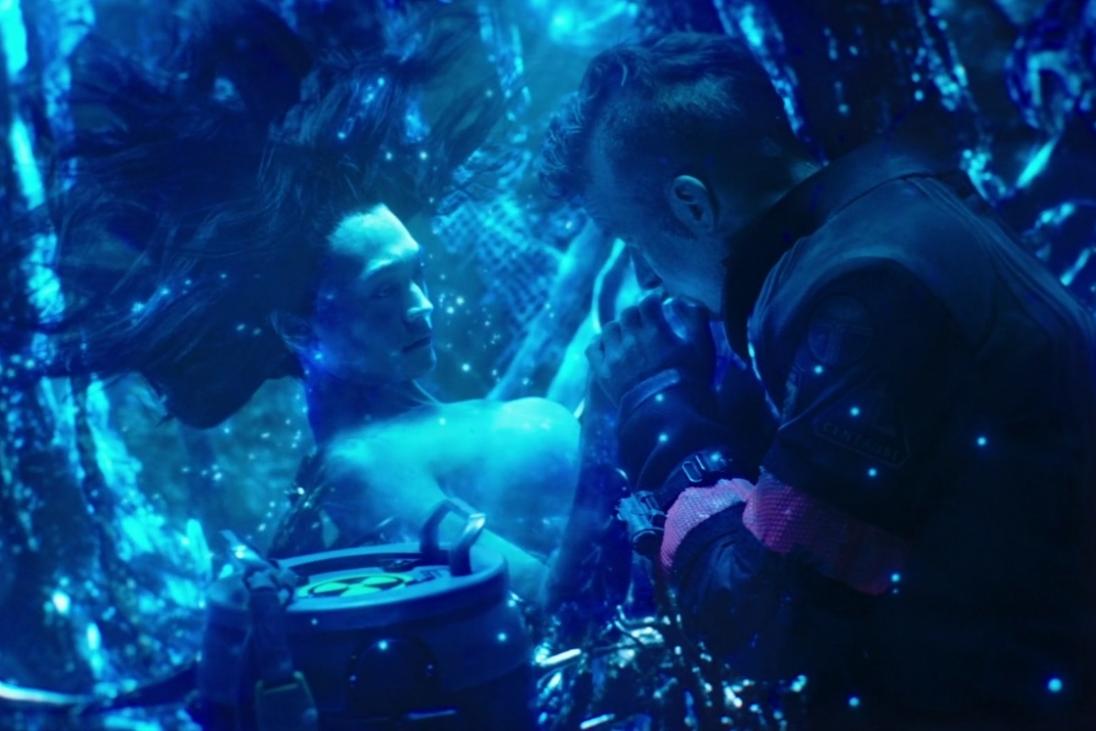 |
| The Expanse |
Celebrating Tropes vs. Trope Fatigue
Tropes aka plot devices are a funny thing. Storytelling
patterns that reappear over and over, they’re a large part of what people love
about television. Thing is we’re comfortable with the familiar, but familiarity
can also breed contempt.
At it’s best a trope is a tool, and they’re
favorites for a reason. Some tropes are associated with certain genres.
Star-crossed lovers are popular in teen dramas, and odd couple pairings in
procedurals. Sci-fi is packed with antiheroes and reluctant heroes who end up
fighting the system.
 |
| Elementary |
Modern audiences are beginning to split
when it comes to tropes. A lot of people love feeling comfortable with certain
types of characters, and plot twists. They prefer shows that are remixes of
their favorite elements. Tropes for many TV writers are a necessary part of
their creative arsenal.
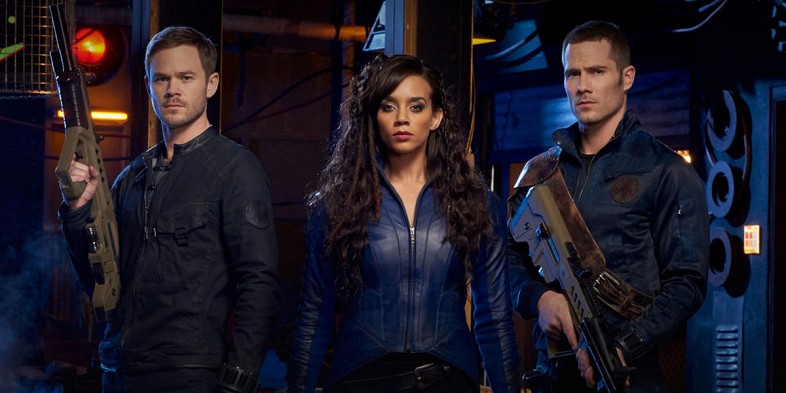 |
| Killjoys |
On the other hand, other viewers are
extremely tired of seeing the same tropes repackaged. They want fresh blood. Added
to which, a lot of established tropes aren’t quite up with the times, being at
best stereotypical, at worst sexist or racist.
A less
heavy-handed approach is probably the path of the future; a sparing use of established storytelling devices mixed
with the creation of new ones that challenge old norms. Whether or not this makes for riveting TV is still to be seen. At least it'll be an interesting ride.
 |
| Riverdale |

