
In today's saturated TV market Teen Wolf deserves kudos for keeping fans engaged across six seasons. Holding viewer interest for one hundred episodes? Epic achievement.
Below are fifty reasons I watched and
enjoyed every instalment of the series, in no real order except for first place, of course!
50. Modern Gothic Aesthetic
People often argue that it is not sustainable to produce music video level visuals in a TV series. Teen Wolf took that challenge and created stunning moody, gorgeous footage: lots of shadows and cold blue feel. The lighting was regularly outstanding and the cinematography more adventurous than most US television shows.
49. Power Is Addictive

The show was big on reminding
viewers how dangerous it is to crave, and rely on, power. From the messed up
Alpha Pack, to Jackson, Leo, and the Desert Wolf, a lust for power—whether
social or supernatural—eventually destroyed lives.
48. Everyone Became A Victim
In a refreshing twist, at some point
all series regulars were powerless. No matter how strong or brave, they faced
outer or inner struggles they couldn’t (in the moment) overcome. It seemed like
Scott was powerless on more occasions than most series leads.
47. An Actual Successful Adaptation
Remember the horror of terrible TV
remakes? (Looking at you 90210). Teen Wolf was inspired by an iconic movie, but
clawed its way (pun intended) to a fresh, modern take on the concept.
46. People Die

Life was a battlefield for supes, especially in Beacon Hills. The show didn’t sugarcoat the downside of life or death conflicts. Alison, Aiden, Boyd, Erica, and Brett’s deaths were the tip of the iceberg. No character (except maybe Scott) proved safe.
45. Parents Who Aren’t Morons
Teen shows regularly portray parents
as idiots. I really dislike this trope, and I loved how the parents here, on
varying levels, engaged with their children’s battles. On occasion a mom or dad
even saved the day. To me, that’s realistic.
44. Coach

Wow. This guy. The coach of the
school’s lacrosse team and all-round politically incorrect individual, somehow
Coach was deeply lovable. Possibly because he cared about the kids on the team?
(Well, everyone except Greenberg.) Coach’s dialogue was hilariously outrageous—and
he saved Jackson in the finale too.
43. Wild Editing Pace
I used to
count cuts per episode when practicing scriptwriting and pacing. During
adrenalized sequences the editing would speed up, but also became less paced,
so the audience (probably unconsciously) picked up the erratic vibe. Loved the
infusion of energy.
42. How To Lead
What constitutes good leadership is
a question addressed both in high school (most noticeably on the lacrosse
field) and in the supernatural realm. On the alpha front, Derek does an awful
job with his pack, Peter is worse, and don’t get me started on Deucalion. Scott, however, becomes a True Alpha through character alone.
41. Lydia’s Screams And Scott’s
Howls Are Spooky AF
My fave of the sound effects. (Teen Wolf made wonderful use of amplifying or muting audio elements to create atmosphere.) Scott’s
alpha howling to subdue another creature was chilling. Lydia’s banshee wails
were off the freakin’ charts. Loved the creepy energy.
40. Carefully Crafted Sense of Style
Lydia’s
wardrobe was an example of great costuming. While growing as a person, her
style evolved but certain elements recurred in her wardrobe. Alternately I kind
of love how Stiles never figured out how to dress well. A total disregard for
fashion matched his personality!
39. Lack of Male Entitlement
The women of Teen Wolf set their own
personal and sexual boundaries, and when they laid down the law the male
characters listened. Those who didn’t paid for that attitude. Entitlement was
not okay in this version of reality. Female characters weren't judged for their sexuality, and the women were often dominant in their relationships. Side note: Alison is a year older than Scott, and more experienced in terms of dating and relationships. Often the main couple in teen TV shows includes a super-innocent female lead, younger than the male lead; this was a great turn-around.
38. Disastrous Parties
The black light Halloween party at
Derek’s place was crashed by Oni demons, the party at Scott’s crashed by The
Wild Hunt’s Ghost Riders. Lydia’s weird birthday had everyone hallucinating,
and OMG the lake house parties (those never end well on any teen show). Despite
the lack of success, these kids kept throwing parties. Fighting!
37. Chris Argent

Love this guy. A hunter of
supernatural killers, after his wife and daughter died he turned on his sister
and father when they lost their moral compass, helping the supernaturals
because at heart he’s a protector of the innocent. Plus, he had a droll sense
of humor. So cool.
36. Supernatural Teens Making
Idiotic Decisions
The teens of Teen Wolf weren’t an all-knowing,
super-hip crew. This lot had me facepalming (and laughing) with their stupid
but authentic choices and awkward moments. The secondhand embarrassment was
real.
35. The Nogitsune Plot

Kira’s family’s addition to the cast
brought the Nogitsune plot into play, an epic storyline, entwining myth and
discrimination at an American internment camp. And woah the Nogitsune/Stiles
twist.
34. Money Doesn’t Grow On Trees
Financial troubles hit the single
parents of Beacon Hills hard: hospital bills from supe attacks and time spent
in the supernatural psych ward added up. Pre peak GoFundMe, this was a cold,
hard dose of realism.
33. Visions

Dreams, visions, hallucinations, repressed memories, sleepwaking, psychic manipulation, and fugue states: the show constantly crossed back and forward between what was real and what was not. Cue mind-bending scenes.
32.
The Opening Credits
Simple, sleek, dramatic and
beautiful; always on a black drop, getting darker and creepier each season.
31. The Cops Don’t Suck

Sheriff Stilinski ran the Beacon
Hills police, and dealt with dodgy officers harshly. While this isn’t always
true in real life, I liked the positive portrayal. Deputy Parrish was also a
Hell Hound and having supes—and the supe-aware—on the force made for well-rounded
characters.
30. Gritty Sets

Much of the series took place in
tunnels, warehouses, and abandoned buildings: think exposed beam, peeling
paint, and worn out surfaces. A lot of texture. The baddies also had wild lairs
(shout out to the Dread Doctors). The eye was never bored.
29. Things That Grow

Many plants were
symbolic, or physically/psychologically/magically transformative. From mountain
ash to wolfsbane, nature had power in this world. The Nemeton (a magic tree
stump bought into the story by the wonderful mentor Deaton) was used to great
effect in the story.
28. Bianca Lawson Appeared

From a slayer on Buffy The Vampire Slayer to roles in Pretty Little Liars, Secret Life of an American Teenager, and The Vampire Diaries, Bianca Lawson in the credits is a sure sign a teen series is approaching cult status. (Here she plays a druid.)
27. Vulnerability Is Lit

They faced
a fear, or acknowledge unhealthy behavior to move forward. The series focused
on personal growth, whether issues were supernatural or everyday. Characters
admitted they needed help, showing it’s not just okay but kind of awesome to
express vulnerability, no matter how tough, clever or cool you are.
26. References To Literature
Everything from Sun Tzu to Heart of
Darkness scored a mention, whether in school classes or casual conversation. Teen
Wolf promoted the idea it’s cool to be a well-read teen.
25. Shifting Alliances

Shows where people play double
agent, or cross sides are the best. Werewolves rebelled against their packs,
and hunters like Argent changed sides for ethical reasons. Enemies made short-term
alliances to battle villains. Good times.
24. Prejudice Is Presented As
Ludicrous
Teen Wolf reall-y didn’t like
prejudice in any form. Prejudiced characters were shown as somehow broken. And
the plot usually showcased the idea prejudiced people not only damage others,
but damage themselves as well.
23. Genocide and Hit Lists

Any plotline that strayed into
supernatural cleansing was sobering because it explored the sensation of being
hated, judged, labeled, and punished for who you are. A somber metaphoric way
to make young people understand the horror and atrocities of history.
22. Fire And Energy Powers

Most notably, Kira and Parrish’s
supercool supe identities. Watching them burn it up onscreen (pun intended) was
epic: Parrish as a hellhound, and Kira as a Thunder Kitsune.
21. Amplified Angst

Nothing like a teen werewolf to bring the angst to the party. Isaac was a prime example of awkward and clueless, angry and traumatized—and he wasn’t the only one. Cora had some rage goin' on too.
20. Empathy Over Intellect
Confession: Not Scott McCall fan,
since he was never the sharpest tool in the shed. But the show played on the
premise heart matters more than intelligence, and the other alphas highlighted why
McCall was so popular. To quote Baron Acton, power corrupts, and absolute power
corrupts absolutely.
19. The Power of Grief

Alison’s guilt allowed her to be
manipulated. The power of grief, especially partnered with guilt, regularly
propelled the story. Heightened emotion skews judgment, and Teen Wolf used that
anomaly to push the story in certain directions.
18. Excellently Adrenalized
From fight scenes—verbal or
physical— to chases, this series kept the blood pumping. The suspense was also
high, and never once did the pace bore the audience.
17. The Diverging Mom Opinions

Teen Wolf broke the clueless mom mold. Melissa, Noshiko, Mrs. Argent, and Mrs. Martin are highly capable—in different ways. And despite holding opposing philosophies as to the right path, they always acted in what they believed was their kid’s best interests.
16. Being A Werewolf Sucks

Instead of portraying the supe life
as hella cool, the show took a dark path: cons of lycanthropy were up there
with the pros. The pack structure left less powerful wolves open to abuse. Hunters
were a problem. And loss of self-control on full moon threatened a body count.
15. Recognizing Boundaries
A recurring theme: how to know when
to respect them, when to question them, and when to cross them. (Includes the
setting of boundaries between the children and parents. A lot of the show is
about the transition to adulthood and how that impacts the family dynamic.)
14. We Got A Mantra

“Three things cannot long be hidden:
the sun, the moon, and the truth.” Thanks Satomi.
13. Don’t Protect People From Life
Many plot points arose from trying
to protect friends, family, lovers or strangers. It’s implied repeatedly that
making decisions for others is a way of underestimating them, and rarely ends
well in the context of the story.
12. Always A Price

When Scott’s pack breaks the laws of the supernatural world, there is a price. Nothing is for free in this created reality. Acts of mercy and acts of persecution have both short-term and long-term repercussions: expected, or unexpected, deserved or undeserved. I like that balance.
11. Violence And Revenge Are Addictive

The Darach lost herself in the quest
for revenge, as did Monroe. Many characters—human and supe—developed a taste
for violence, offering justifications from skewed perspectives, moving from defenders to persecutors.
10. Sense
of Humor
Amidst all
the intensity and drama, Teen Wolf infused comedy to balance out heavier
material. Shows like Veronica Mars and Buffy The Vampire Slayer had previously
made it clear how well this style of emotional cocktail worked with teen
audiences, and Teen Wolf took that lesson to heart.
9. From
Funny To Whacky
The best
whacky moments came from Stiles and Coach but everyone—Liam, Lydia, Malia, even
Derek—got to deliver real zingers. Ex-villains, like Peter, really upped the
whacky factor when they joined Team Pack Scott.
8. You’re
Gay? No Big Deal

Because it shouldn’t be: onscreen or off. Girl on girl wasn’t a focus for the show, but guy-on-guy got a lot of screen time. (Side note: So wish Kira had come back dating one of the Skinwalkers in the finale.) Jackson was the star athlete and school bully—with a gay best friend. Likewise, Mason being gay was a non-issue with his best friend Liam. When the twins enroll at school and one of them is gay, no big deal. Gay couples on the show (like the lovely Mason and Corey) were treated the same as hetero couples: just people in relationships. Love is love in Beacon Hills.
7. Mental
Health
Not so much
the local psychiatric care facility—which was like something out of the Dickensian era of fiction, combined with discrimination against supernaturals—but
portrayals of depression, anxiety and PTSD. Liam had Intermittent Explosive
Disorder, Stiles and Scott experienced panic attacks, and many characters
displayed symptoms resulting from trauma.
6. Modernizing
Myths
Teen Wolf
took a series of fabulous old tales, creatures from historical myths, and gave
them modern, creative spins. The greatest was the re-interpretation of a
banshee. Lydia’s sound-based psychic visions, attraction to scenes of impending
tragedy, and sonic warrior skills were an eerie, creative take on an old tale.
A close second was the interpretation of The Wild Hunt.
5. The
Ships

Oh, the
ships. My faves were Stiles and Lydia, Melissa and Argent, and for some reason
Malia and Theo—if he went on a redemptive path in a ten year flash forward. Plus
I want a Jackson and Ethan spin-off that’s like James Bond meets Supernatural
if the Winchesters were hubbies instead of brothers.
4. Teamwork
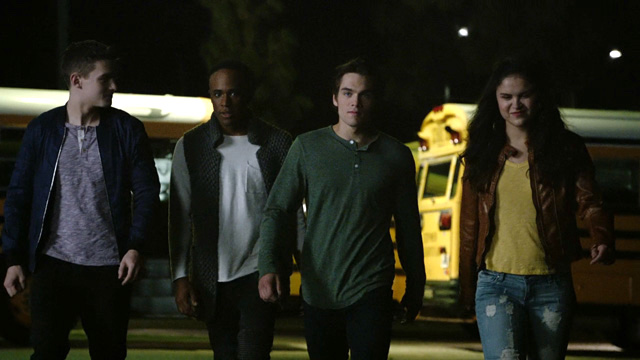
Teen Wolf is about working together to survive. Usually beating a big baddie takes a few tries, culminating in a plan that requires a number of the pack to succeed. Along the way various members (or almost members) of Scott's pack piece together clues, and keep moving forward.
3. It’s Legit
Okay To Be Afraid
At some
point many characters admit they are deeply afraid. I love that almost everyone
is presented as a relatable person. Sometimes they hide, or run from potential conflict.
Other times they face what’s happening, but screw up, overwhelmed by fear—and
that’s okay.
2. Stiles

Or should I say, Mieczyslaw Stilinski. The best friend sidekick, he’s introduced as bumbling
and kindhearted, clever but erratic in terms of focus. Unlike most of the cast,
he stays human (well, aside from a possessed period). Over the seasons he
proves an integral part of the pack, ending the series in training for the FBI.
1. Lydia

Her transition from vicious Queen Bee to formidable leader is a riveting journey. She stops pretending to be stupid, and starts taking care of people, even risking her life, and tackles the discovery she’s a banshee head-on. Lydia is indomitable, and one of my fave female characters to grace the small screen.
Thanks for the good times, Teen Wolf Team! x


